Best Non GamStop Casino UK 2026
Loading...
Payment methods at non-GamStop casinos differ from UK-licensed options in important ways. Some familiar methods face restrictions when used with offshore operators. Others work seamlessly. New options like cryptocurrency provide alternatives unavailable at UKGC-regulated sites. Understanding the payment landscape helps players move funds efficiently while avoiding unnecessary friction.
UK banks have increasingly blocked transactions to gambling sites, both licensed and unlicensed. This creates practical challenges for players seeking non-GamStop roulette. E-wallets, cryptocurrency, and alternative payment processors provide workarounds, though each carries distinct characteristics worth understanding before committing funds.
This guide covers the primary payment method categories available at non-GamStop roulette sites. Deposit speeds, withdrawal times, fee structures, and practical considerations vary between options. Selecting appropriate methods improves the overall experience and reduces payment-related frustration.
E-Wallets: Skrill, Neteller, and Alternatives
E-wallets provide intermediate accounts between your bank and casino, offering both convenience and separation. Skrill and Neteller dominate the gambling e-wallet market, with extensive acceptance at non-GamStop casinos. These services function as digital wallets — fund them from your bank account, then use the balance for casino transactions.
Deposit speed with e-wallets is typically instant. Transfer funds to your e-wallet, then deposit to the casino within seconds. The immediate availability suits players who want to begin playing without waiting for bank processing. Withdrawals to e-wallets also process faster than direct bank transfers at most casinos — often within hours rather than days.
The separation from your bank account provides practical benefits. Gambling transactions do not appear on bank statements directly. Banks that block gambling payments cannot interfere with e-wallet funded deposits. The intermediate step adds a layer between banking relationships and gambling activity.
Fees vary by e-wallet provider and usage pattern. Skrill and Neteller charge for certain transactions including currency conversion and bank withdrawals. These costs reduce effective returns slightly. Compare fee structures before selecting an e-wallet, and consider maintaining balances in your primary gambling currency to minimise conversion charges.
EcoPayz, MuchBetter, and similar services provide alternatives with varying acceptance at non-GamStop casinos. Check your preferred casino’s payment page to confirm which e-wallets they support before creating accounts with services they may not accept.
Cryptocurrency Options
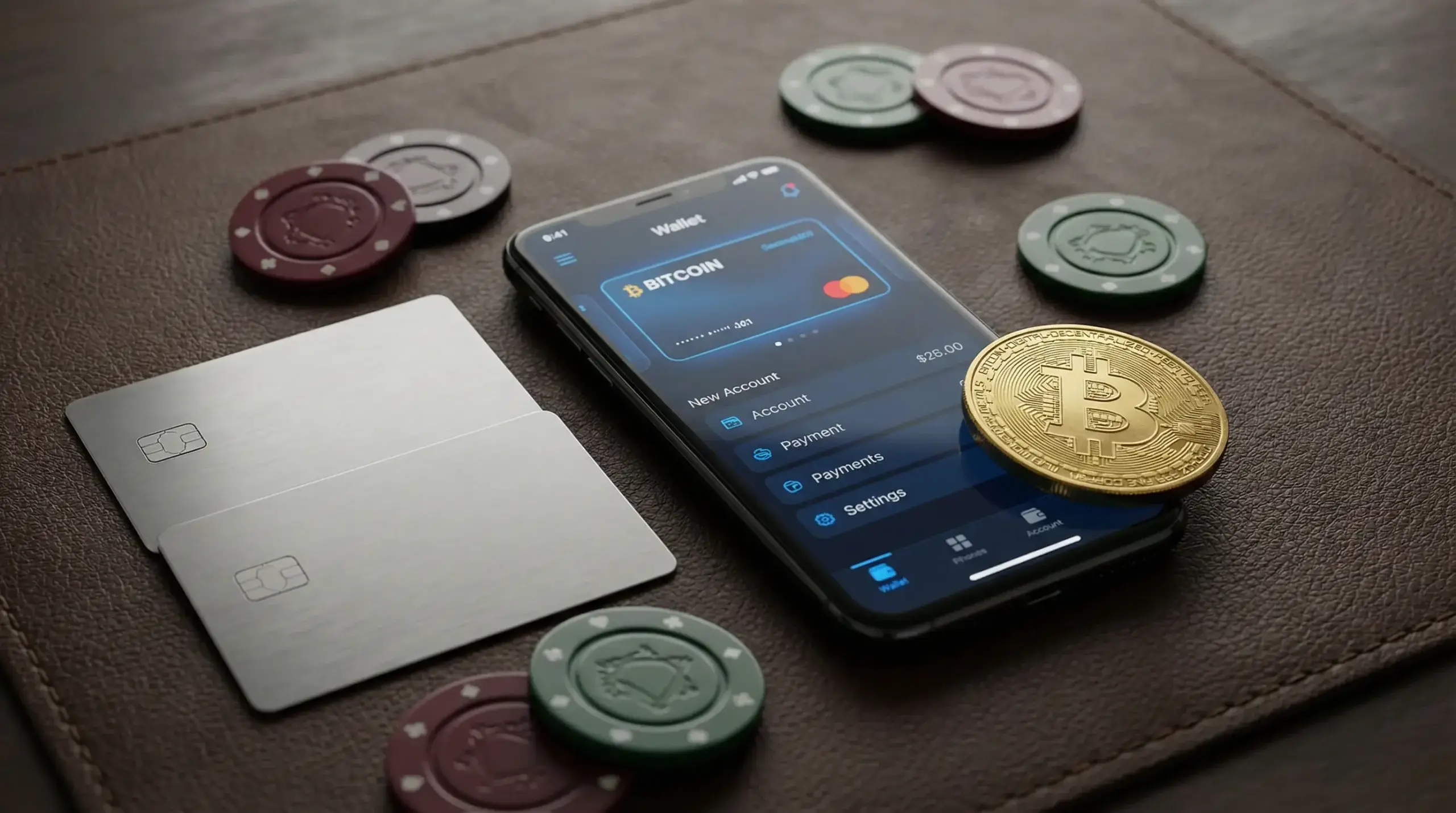
Cryptocurrency acceptance at non-GamStop casinos has expanded dramatically. Bitcoin remains the most widely supported option, with Ethereum, Litecoin, and various stablecoins following in availability. Crypto transactions bypass traditional banking entirely, eliminating card blocks and bank interference as concerns.
Transaction speed varies by cryptocurrency. Bitcoin confirmations may take 10 to 60 minutes depending on network congestion and fee levels, as confirmed by Blockchain.com’s transaction data. Litecoin processes faster, typically confirming within minutes. Stablecoins on various networks offer near-instant confirmation. Withdrawal processing from the casino side often completes faster for crypto than traditional methods.
Privacy improves with cryptocurrency compared to traditional payments. Transactions do not appear on bank statements. Personal financial data does not transmit through banking networks. For players who value discretion, crypto provides meaningful separation between gambling activity and conventional finances.
Volatility affects non-stablecoin cryptocurrency deposits. Bitcoin’s value fluctuates continuously — depositing when prices are high and withdrawing after a decline reduces effective returns regardless of gambling outcomes. Stablecoins like USDT and USDC eliminate this concern by maintaining dollar parity, though they require prior cryptocurrency familiarity to acquire and manage.
Card Payments and Bank Transfers
Debit and credit cards face the highest block rates at non-GamStop casinos. UK banks increasingly decline gambling transactions automatically, and card networks have implemented restrictions affecting offshore operators specifically. Cards that work today may fail tomorrow as banks update blocking policies. Relying solely on card payments creates vulnerability to sudden access disruption.
When cards do work, deposits are typically instant. Withdrawals back to cards take longer — often 3 to 5 business days for processing. Some casinos cannot process card withdrawals at all, requiring alternative methods for cashouts even when cards work for deposits.
Bank transfers remain available at most non-GamStop casinos but involve significant drawbacks. Processing times extend to several business days for both deposits and withdrawals. Some banks flag gambling-related transfers for additional review or outright blocking. The direct visibility on bank statements may concern players who prefer privacy.
Prepaid cards and voucher systems like Paysafecard provide alternatives with varying acceptance. These methods allow cash-funded gambling without direct bank involvement. Purchase vouchers with cash, redeem codes for casino deposits. Withdrawal options for prepaid methods are typically limited, requiring alternative methods for cashouts.
Choosing the Right Payment Method
Speed priorities should guide selection. Players wanting immediate access favour e-wallets or cryptocurrency for deposits. Those comfortable with delays may use bank transfers. Withdrawal urgency matters similarly — crypto and e-wallets process fastest, cards and bank transfers slowest. Consider both directions of the transaction cycle when evaluating methods.
Privacy considerations affect method choice. Cryptocurrency provides maximum separation from banking records. E-wallets create intermediate distance. Cards and bank transfers appear directly on statements with recognisable merchant names or transaction codes. Players whose circumstances require discretion should weight privacy factors appropriately.
Fee sensitivity requires comparison across the full transaction cycle. Some casinos charge fees for certain deposit methods. E-wallets impose their own fee structures for funding and withdrawing. Cryptocurrency involves network transaction fees that vary with congestion. Bank transfers may incur international transfer charges. Calculate total costs before committing to methods with significant fee loads.
Verification requirements differ between payment methods. E-wallets require identity verification during account creation. Cryptocurrency can operate with greater anonymity depending on acquisition method. Card and bank payments connect to already-verified financial accounts. Casinos may impose additional verification for large transactions regardless of payment method.
Reliability matters for regular players. Methods that work inconsistently create frustration and access uncertainty. E-wallets and cryptocurrency offer more reliable access to non-GamStop casinos than cards, which face escalating block rates. Establishing backup methods prevents being locked out by single-point failures in your primary payment approach.
Moving Money Safely
Payment method selection at non-GamStop casinos involves trade-offs between speed, privacy, fees, and reliability. No single option excels in all dimensions. E-wallets balance these factors reasonably for most players. Cryptocurrency suits those already comfortable with digital assets. Traditional banking methods face increasing restrictions but remain available at some casinos.
Test withdrawal procedures with small amounts before committing significant deposits. Payment methods that work smoothly for deposits may encounter problems during cashout. Verify the complete cycle — deposit, play, withdraw — before trusting a method with larger amounts.
Maintain records of all transactions. Payment disputes at offshore casinos can be difficult to resolve. Documentation of deposits, withdrawal requests, and any communication with support provides evidence if problems arise. The reduced regulatory oversight at non-GamStop casinos places more responsibility on players to protect themselves.